
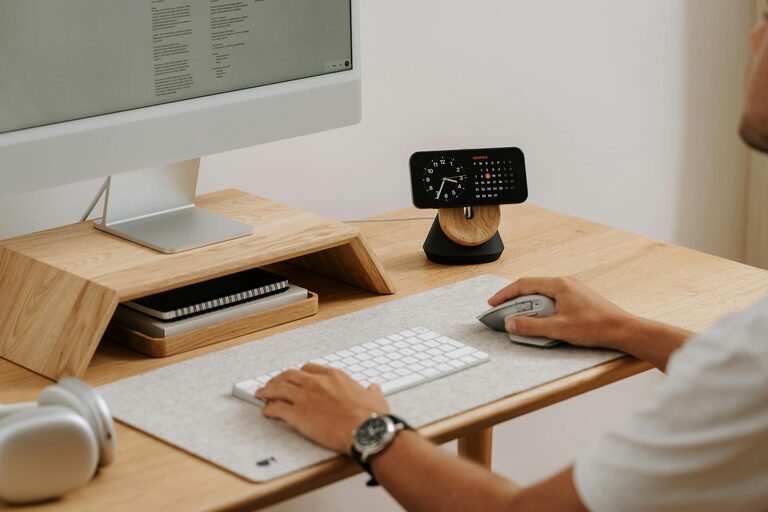
Working from home offers flexibility and comfort but also presents unique challenges when it comes to maintaining focus. Without the structure of a traditional office, distractions can creep in, making it harder to stay productive. Fortunately, there are several effective strategies you can use to enhance your concentration and create a work environment that supports your best performance.
Create a Dedicated Workspace
One of the most important steps to improve focus is to establish a clear boundary between work and relaxation areas.
– Choose a quiet spot: Ideally, select a place with minimal noise and foot traffic.
– Use ergonomic furniture: A comfortable chair and a proper desk setup support better posture and reduce fatigue.
– Keep it tidy: An uncluttered space helps reduce distractions and mental clutter.
– Set boundaries: Let family members or roommates know your work hours to minimize interruptions.
Establish a Consistent Routine
Routines help train your brain to switch into work mode more easily.
– Set regular work hours: Begin and end your workday at consistent times for structure.
– Morning rituals: Start your day with a ritual that signals the transition from home to work — such as a cup of coffee or a brief walk.
– Scheduled breaks: Take short breaks every 60-90 minutes to recharge, using techniques like the Pomodoro Method.
– Plan your day: Spend a few minutes each morning or the night before outlining priorities and tasks.
Minimize Digital Distractions
Digital devices can be your biggest challenge when trying to stay focused at home.
– Turn off non-essential notifications: Disable alerts from social media, messaging apps, and email when working.
– Use focus tools: Apps and browser extensions can block distracting websites during work hours.
– Keep your phone out of reach: If possible, place your phone in another room or on silent mode.
– Check emails and messages at set times: Instead of responding immediately, schedule time slots to catch up on communications.
Prioritize Tasks & Set Goals
Having a clear plan improves focus and keeps procrastination at bay.
– Use to-do lists: Break down larger projects into smaller, manageable tasks.
– Prioritize using the Eisenhower Matrix: Focus on urgent and important tasks first.
– Set specific, measurable goals: For instance, decide to complete a report or finish five client calls within a set time.
– Celebrate progress: Recognizing accomplishments boosts motivation.
Incorporate Movement and Stretching
Sitting for long periods can decrease focus and energy.
– Take short active breaks: Stand up, stretch, or take a brief walk around your home.
– Incorporate light exercise: Yoga, desk stretches, or quick workouts help refresh your mind and body.
– Use standing desks if possible: Alternating between sitting and standing can improve comfort and alertness.
Maintain Healthy Habits
Your overall well-being significantly impacts your ability to concentrate.
– Stay hydrated: Drink plenty of water throughout the day.
– Eat nutritious meals and snacks: Balanced nutrition supports sustained energy levels.
– Get enough sleep: Aim for 7-9 hours per night to optimize cognitive function.
– Practice mindfulness or meditation: Even a few minutes daily can reduce stress and improve focus.
Communicate Clearly with Colleagues
Remote work can feel isolating, which might impact motivation.
– Schedule regular check-ins: Video calls or chats help maintain connection and accountability.
– Set expectations: Clearly communicate your availability and preferred methods of contact.
– Use collaboration tools: Platforms like Slack or Microsoft Teams keep communication organized and efficient.
Adjust and Personalize Your Approach
Everyone’s ideal work-from-home routine looks a bit different.
– Experiment with different techniques: Try varying your schedule, workspace, or focus methods to see what works best.
– Listen to your natural energy cycles: If you’re a morning person, tackle challenging tasks early; save easier tasks for later.
– Be flexible while maintaining discipline: Allow yourself occasional adjustments while staying committed to your goals.
—
Working from home offers many advantages, but staying focused takes intention and practice. By creating a dedicated workspace, establishing routines, managing distractions, and maintaining healthy habits, you can enhance your productivity and enjoy a balanced workday. Remember, improving focus is a gradual process, so be patient and open to learning what suits you best.