
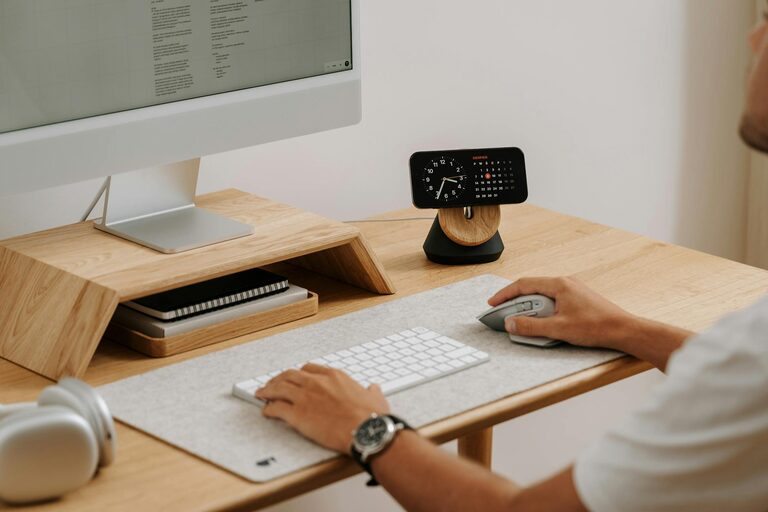
Working from home offers flexibility and convenience, but it can also present unique challenges—especially when it comes to maintaining focus. Whether you’re new to remote work or a seasoned pro, staying attentive and productive outside a traditional office environment requires intentional effort.
In this post, we’ll explore actionable tips that can help you improve focus while working from home, so you can get more done with less stress.
Create a Dedicated Workspace
One of the most important steps to better focus is setting up a workspace solely for work purposes. This doesn’t have to be a separate room, but it should be a consistent spot where you handle work tasks.
– Choose a quiet area: Look for a space with minimal distractions.
– Ensure good lighting: Natural light is ideal; if not, use bright lamps.
– Keep it organized: Clutter can be distracting, so keep your desk tidy.
– Equip it properly: Have all the tools and supplies you need handy.
A dedicated workspace signals your brain that it’s time to focus.
Establish a Consistent Routine
Routine helps regulate your internal clock and signals when it’s time to work and when it’s time to relax. Consider:
– Setting regular work hours: Try to start and finish at the same time each day.
– Including breaks: Schedule short breaks to rest your eyes and stretch.
– Morning rituals: Develop a routine before work to prepare mentally.
– End-of-day rituals: Create a habit to mark the end of work, like shutting down your computer.
Consistency enhances your ability to focus by reducing decision fatigue.
Minimize Digital Distractions
Working from home often means your devices are the biggest distraction. Here’s how to manage them:
– Use focus apps: Tools like Focus@Will, Forest, or built-in features like “Do Not Disturb” can help.
– Turn off unnecessary notifications: Silence social media and non-essential message alerts during work periods.
– Limit personal device use: Avoid checking phones or tablets during focus times.
– Keep browser tabs organized: Close tabs unrelated to your current tasks.
By controlling digital interruptions, you create a better environment for concentration.
Use Time Management Techniques
Managing your time well helps maintain focus and prevent burnout. Popular techniques include:
Pomodoro Technique
Work for 25 minutes, then take a 5-minute break. Repeat four cycles, then take a longer break (15–30 minutes). This method keeps sessions manageable and maintains energy.
Time Blocking
Allocate specific blocks of time to different tasks or types of work. For example, dedicate 9–11 AM to emails and meetings, and 11 AM–1 PM to project tasks.
Prioritize Tasks
Use tools like to-do lists or apps such as Trello or Todoist to prioritize work. Tackle high-priority or challenging tasks first when your focus is strongest.
Incorporate Movement and Breaks
Sitting for long periods can reduce energy and focus. Incorporate movement into your day:
– Take short walks during breaks to refresh.
– Stretch at your desk every hour.
– Try standing while working for a portion of the day.
– Practice quick breathing or mindfulness exercises.
Regular breaks and movement boost brain function and help maintain concentration.
Communicate Boundaries
When working from home, family or roommates may not realize when you’re focused.
– Let others know your work hours.
– Use visual cues like a closed door or headphones.
– Make arrangements for quiet times or shared spaces.
– Communicate expectations about interruptions.
Setting boundaries helps minimize distractions and supports your ability to focus.
Manage Your Energy and Nutrition
Your mental focus is tied closely to your overall health. Consider:
– Eating balanced meals and staying hydrated.
– Avoiding heavy or sugary foods that cause energy crashes.
– Getting adequate sleep each night.
– Taking short mental resets if you feel fatigued.
When your body feels well, your focus improves naturally.
Personalize Your Environment
Everyone works differently, so tailor your workspace to suit your preferences:
– Play background music or white noise if it helps you focus.
– Keep a plant nearby to improve air quality and mood.
– Adjust room temperature for comfort.
– Use essential oils or scents you find calming.
Small changes can make your work environment more inviting and conducive to focus.
Conclusion
Maintaining focus while working from home requires a blend of good habits, environment management, and lifestyle choices. By creating a dedicated workspace, establishing routines, managing digital distractions, and taking care of your well-being, you can improve your concentration and productivity.
Try implementing some of these tips gradually and observe what works best for you. With a bit of practice, focusing while working remotely can become easier and more natural.
—
Feel free to share your favorite focus tips or questions in the comments below!