
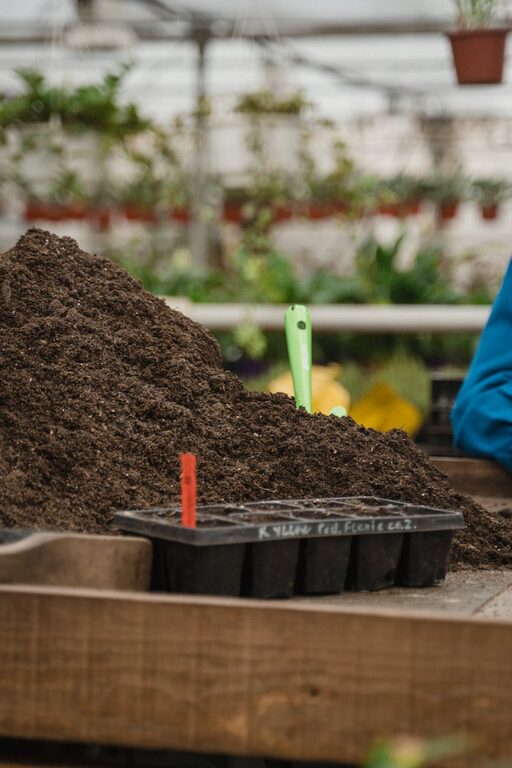
Composting at home is a rewarding way to reduce waste and create nutrient-rich soil for your garden. If you’re new to composting, it might seem a bit daunting at first. However, with a few simple tips and the right approach, you can turn everyday organic waste into black gold for your plants. This guide covers essential beginner tips to help you compost successfully right in your backyard or even in small spaces.
What Is Composting?
Composting is the natural process of recycling organic materials like food scraps, leaves, and grass clippings into rich, dark soil called humus. Beneficial microorganisms break down the waste over time, creating a nutrient-packed material that can improve soil health and plant growth.
Benefits of Composting at Home
– Reduces landfill waste: Composting diverts organic waste from landfills, helping reduce methane emissions.
– Enriches soil: Compost improves soil structure, moisture retention, and nutrient content.
– Saves money: You can reduce the need for chemical fertilizers by using homemade compost.
– Promotes healthy plants: Healthy soil leads to stronger, more productive plants.
Getting Started: Choose the Right Composting Method
There are several composting methods suitable for beginners. Choose one that fits your available space and lifestyle:
1. Backyard Compost Bin
If you have outdoor space, a compost bin or pile is a classic and effective option. You can purchase a ready-made bin or make your own with wood pallets or wire mesh.
2. Tumbler Compost Bin
A compost tumbler is a sealed container on a frame that can be rotated to mix materials easily. It accelerates decomposition and keeps pests out, making it popular for beginners.
3. Worm Composting (Vermicomposting)
Ideal for small spaces and indoors, vermicomposting uses worms to break down food scraps. A worm bin is compact, odor-free, and produces nutrient-rich castings.
What to Compost: Materials That Work Well
Successful composting depends on balancing “green” and “brown” materials:
– Green materials are rich in nitrogen:
– Fruit and vegetable scraps
– Coffee grounds and tea bags (without staples)
– Grass clippings
– Fresh plant trimmings
– Brown materials provide carbon:
– Dry leaves
– Straw or hay
– Newspaper or cardboard (shredded)
– Wood chips or sawdust (untreated)
Avoid composting meat, dairy, oils, or pet waste, as they can attract pests and cause odors.
How to Build a Compost Pile
Step 1: Select a Good Location
Pick a dry, shady spot with good drainage. Accessibility is important for adding materials and turning compost.
Step 2: Start with a Layer of Browns
Place a 4–6 inch layer of coarse brown materials at the bottom to help with aeration and drainage.
Step 3: Alternate Layers
Add green and brown materials in layers, aiming for a roughly 2:1 ratio of browns to greens. For example, after a layer of green kitchen scraps, add a layer of dry leaves.
Step 4: Moisten the Pile
Compost should be as damp as a wrung-out sponge. Water your pile occasionally if it’s too dry.
Step 5: Turn the Pile Regularly
Aerate the pile by turning it every 1–2 weeks with a garden fork or shovel. This introduces oxygen and speeds decomposition.
Tips to Trouble-Shoot Common Problems
Smelly Compost
– Cause: Too much green material or not enough air.
– Fix: Add more brown materials and turn the pile to increase airflow.
Pests
– Cause: Meat, dairy, or oily foods in compost.
– Fix: Avoid these materials and use a closed bin or tumbler.
Slow Decomposition
– Cause: Pile too dry, too small, or insufficient nitrogen.
– Fix: Moisten the pile, add more green materials, and turn regularly.
Using Finished Compost
Your compost is ready when it looks dark, crumbly, and smells earthy (this usually takes 2–6 months). Use it to:
– Enrich garden beds
– Top-dress lawn areas
– Pot plants with a nutrient boost
– Mulch around shrubs and trees
Composting in Small Spaces
If you live in an apartment or have limited outdoor space, worm composting or kitchen compost bins with frequent collection for community compost programs can work well. Kitchen compost bins help you collect scraps neatly before transfer to outdoor bins or municipal composting centers.
Final Thoughts
Composting at home is a simple habit that benefits both your garden and the environment. Start small, be patient, and keep experimenting to find what works best for you. Over time, you’ll enjoy healthier plants and the satisfaction of turning waste into something wonderful.
Happy composting!