
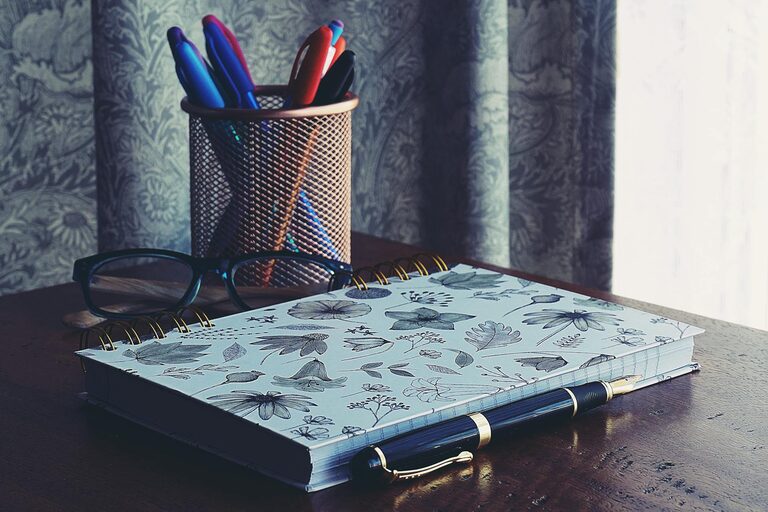
Choosing a notebook sounds simple, but anyone who has ever bought one only to let it gather dust knows it’s not always easy. The key to picking a notebook you’ll actually use lies in matching it to your personal habits and preferences. Whether you want it for jotting down ideas, organizing your schedule, or creative writing, the right notebook can make a big difference.
In this guide, we’ll walk through factors to consider when choosing a notebook, so your purchase feels purposeful and you look forward to opening it again and again.
Why Choosing the Right Notebook Matters
Many people struggle to stay consistent with journaling, note-taking, or planning because their notebooks don’t fit their routines. It might be too bulky to carry, pages might bleed through with your favorite pen, or maybe the layout feels uninspiring.
When you pick a notebook that complements your lifestyle and needs, you’re more likely to stick with it. Plus, it can make your daily tasks more enjoyable and organized.
Consider Your Purpose
Before diving into styles and sizes, think about how you want to use the notebook.
– Note-taking: For school or work, you may want ruled pages or a grid layout.
– Journaling: Blank or dotted pages give more freedom for sketches or writing.
– Planning and organizing: Look for pre-printed planners or bullet journal–style notebooks.
– Creative writing: A simple lined notebook with good paper quality may be ideal.
Understanding your primary purpose narrows down options and prevents impulse buys that don’t fit your real needs.
Size and Portability
The notebook’s size plays a huge role in how often you’ll carry it around and use it.
– Pocket-sized (A6 or smaller): Great for quick notes or ideas on the go but limited writing space.
– Medium (A5 or similar): The most popular size, balancing portability with enough room to write.
– Large (A4 or letter size): Ideal for extensive notes or sketches but less portable.
If you plan to take your notebook everywhere, a smaller size might encourage more use. For desk use, larger sizes can work better.
Paper Quality and Type
Paper quality affects your writing experience drastically. Cheap paper may cause ink bleeding or feathering, which can be frustrating.
– Weight: Look for paper weight measured in GSM (grams per square meter). 80–100 GSM is typical; heavier paper (like 120 GSM) is thicker and better for fountain pens or markers.
– Texture: Smooth paper is good for fine-tip pens; textured paper suits pencils or calligraphy.
– Color: Off-white or cream paper reduces glare and can be easier on the eyes than pure white.
Decide what writing tools you’ll use and pick paper that pairs well.
Binding Style
The way a notebook is bound influences durability and how flat it lays open.
– Spiral-bound: Lies flat easily but spirals can catch on things.
– Perfect bound (glued spine): Sleek but may not open flat on every page.
– Sewn binding: Durably stitched and usually allows the notebook to open flat.
– Disc binding: Flexible and allows adding or removing pages.
Choose a style that suits your writing habits and how you want to flip through pages.
Layout and Design
The interior design matters for convenience and creativity.
– Lined pages: Best for structured writing.
– Blank pages: Favored by artists or creative writers.
– Dotted or grid pages: Flexible for bullet journaling, charts, or drawing.
– Pre-printed planners: Include calendars, to-do lists, habit trackers.
Consider what layout encourages your preferred way of working.
Cover and Durability
If you plan to tote your notebook around, a sturdy cover protects your pages.
– Hardcover notebooks: Offer protection and write-while-holding convenience.
– Softcover notebooks: Lightweight and flexible but may wear out quicker.
– Water-resistant or leather covers: Provide extra durability and style.
Pick a cover type that suits your lifestyle and storage habits.
Additional Features to Think About
Sometimes small extras make a notebook more enjoyable to use:
– Elastic closure band: Helps keep your notebook securely closed.
– Ribbon bookmark: Easy access to your current page.
– Pen holder: Convenient for always having a pen on hand.
– Numbered pages or index: Useful for organizing notes.
– Pocket folder inside: Great for storing loose papers or stickers.
Decide which features you’d actually use versus those that might just add cost.
Test It Out If Possible
Before committing, visit a store to handle a few notebooks. Feel the paper, flip through pages, and imagine writing in them.
If buying online, check reviews and see if there’s a satisfaction guarantee.
Set Realistic Goals
Sometimes even the best notebook remains unused if your goals don’t match your schedule or motivation. Start small:
– Use it for 5 minutes a day.
– Try different ways of note-taking or journaling to find what excites you.
– Keep it visible on your desk or in your bag.
A notebook is only as good as the habits you build around it.
Final Thoughts
Choosing a notebook that you’ll actually use isn’t about picking the most expensive or stylish option—it’s about finding one that fits your lifestyle and purpose. Consider size, paper, binding, layout, and extras based on how and where you write.
When your notebook feels right, it becomes a valuable tool. It can boost your creativity, keep you organized, and turn everyday writing into a rewarding habit. So take your time, explore your options, and happy writing!